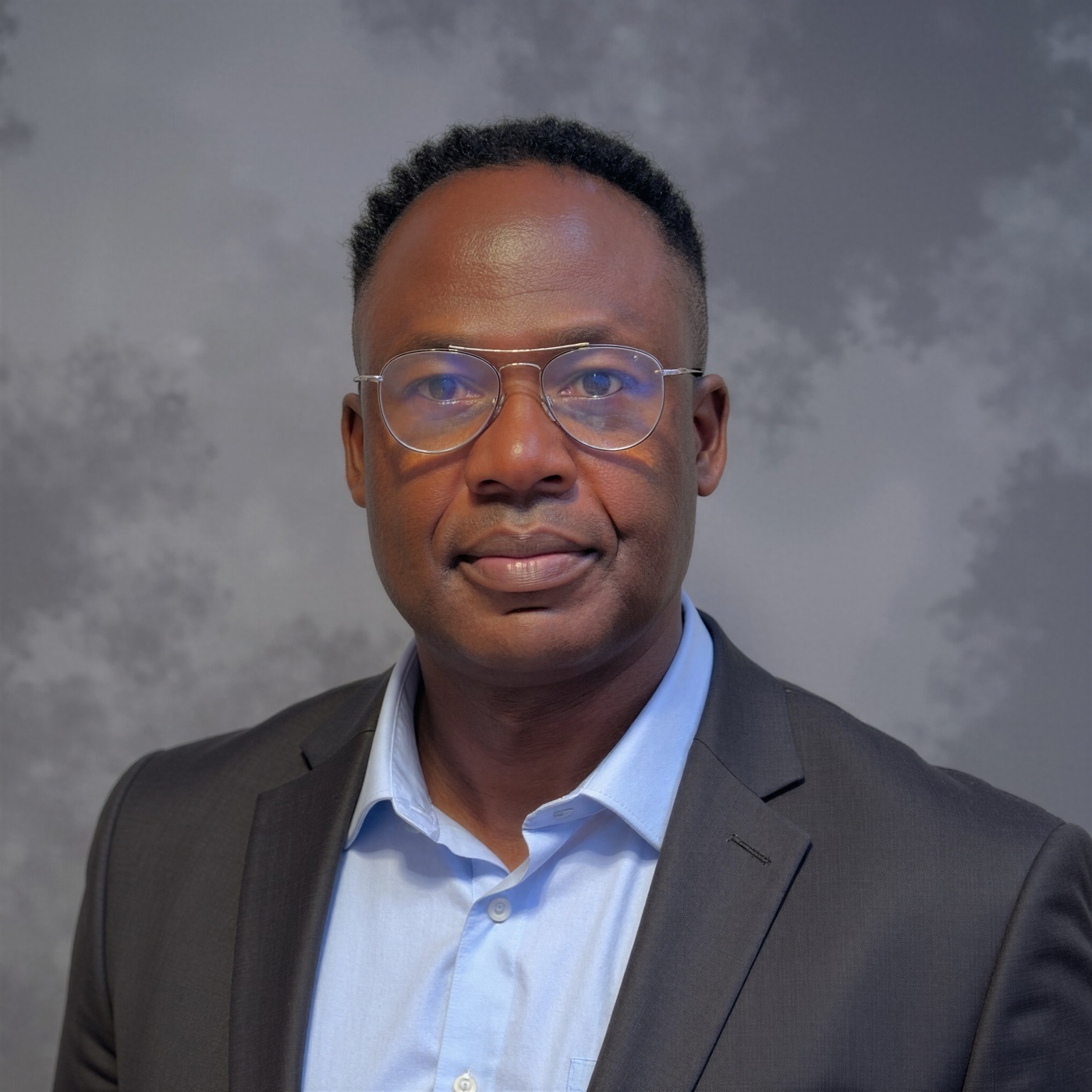
The name Tendai means, in Shona, give thanks — a fitting name, because for so many in the diaspora, gratitude and difficulty walk side by side. There is much to be thankful for in the lives people build abroad. There is also a cost rarely spoken about out loud. Between Worlds is where Tendai speaks about it honestly.
Tendai has lived in the UK and Australia and built a career in mental health, spending many years close to the diaspora experience. There is a loneliness that can live underneath the opportunity, and a quiet weight of expectation that follows people across an ocean — truths that became unmistakable through years of listening to, and working with, those who carry them.
What that long closeness makes clear is that “between worlds” is never really about one country left behind or another arrived in. It is a way of living — holding more than one world at once, fully at home in none of them and in all of them. It is the thread running through every life these books are written for.
Over many years of close work, Tendai has watched, up close, what living between worlds asks of people: the workplaces where people are made to feel small in ways too quiet to name; the families back home who see an address abroad and imagine a wealth that isn’t there; the strain that distance, money, and changing roles place on marriages and on the next generation. Tendai writes about these things because they have been seen, again and again — not in one home, but across a whole community.
For a long time, many in the diaspora believe they are the only ones. Then they begin to talk — really talk — to other Africans living the same life, and the same story comes back, again and again, in different accents. The same wounds. The same silence. The same hunger for someone to simply tell the truth. That is the conversation these books come from.
There is something else worth knowing, because it shapes how these books are written. Tendai is a qualified mental-health practitioner with more than two decades in the field, who has lived in the UK and Australia. So when Tendai writes about the weight people carry — the anxiety, the grief, the silence, the strain on families — it isn’t theory, and it isn’t guesswork. These are struggles witnessed first-hand, day after day, in professional practice — the particular ways they show up in the lives of people across the diaspora. That close, careful understanding sits underneath every page.
One thing Tendai is always clear about: the stories and examples in these books are not portraits of any one family, least of all the author’s own. They are drawn from more than two decades of listening, observing, and working alongside many, many people across the diaspora — woven together so that no single person, household, or family is ever on the page. If readers recognise themselves in them, it is because these experiences are so widely shared, not because they belong to anyone in particular. Tendai writes about everyone, with care for all, and with judgement towards none.
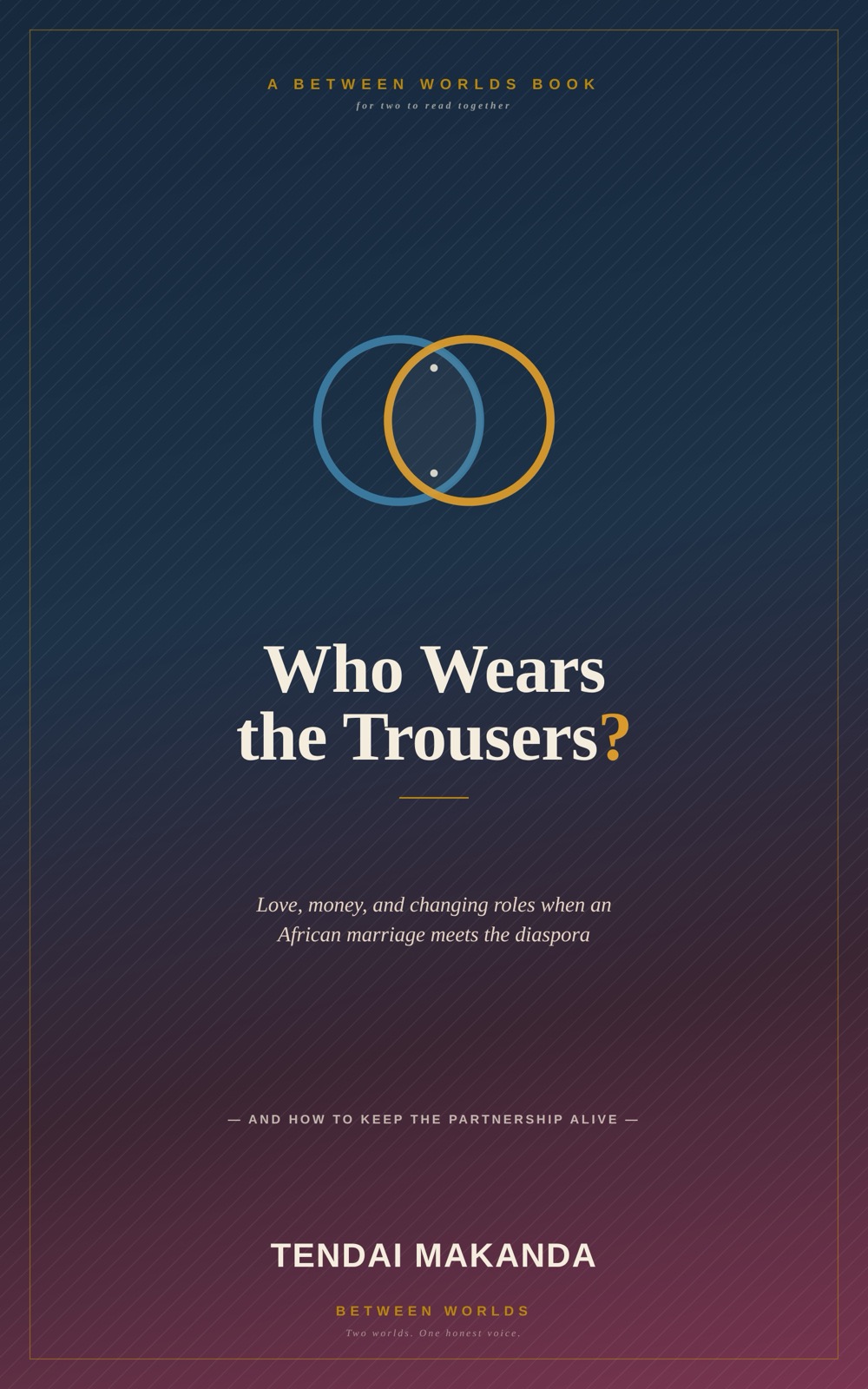
That is what Between Worlds is. Not motivation. Not pretending everything is fine. Honest conversation about the real issues of diaspora life — money, family, identity, parenting, faith, racism, the pull of home — paired with a clear, researched path forward. Because naming the pain is only half the work. There also has to be a way through.
Welcome to the table. Pull up a chair.
The people, families, marriages, and situations described in Tendai’s books are not portraits of any real person — and they are certainly not portraits of the author’s own family. They are composites and illustrations, woven together from a great many lives observed and listened to over more than two decades, so that no single person or household is ever depicted.
If you recognise yourself, or someone you love, in these pages, it is not because a book is about you. It is because these experiences are so widely shared across the diaspora that they belong, in a sense, to all of us. Tendai writes about everyone, with deep care for all, and with judgement towards none.
We say what the community whispers.
We honour where you come from.
Never a problem without a path.
You are not the only one living this.